Public Domain Space Archives Are Quietly Amazing
June 02, 2026Some of the best visual records of modern science are sitting in public archives, free to study, remix, and cite. Space agencies have turned decades of missions into searchable libraries where a curious person can move from Apollo-era film scans to current telescope releases in a few clicks.
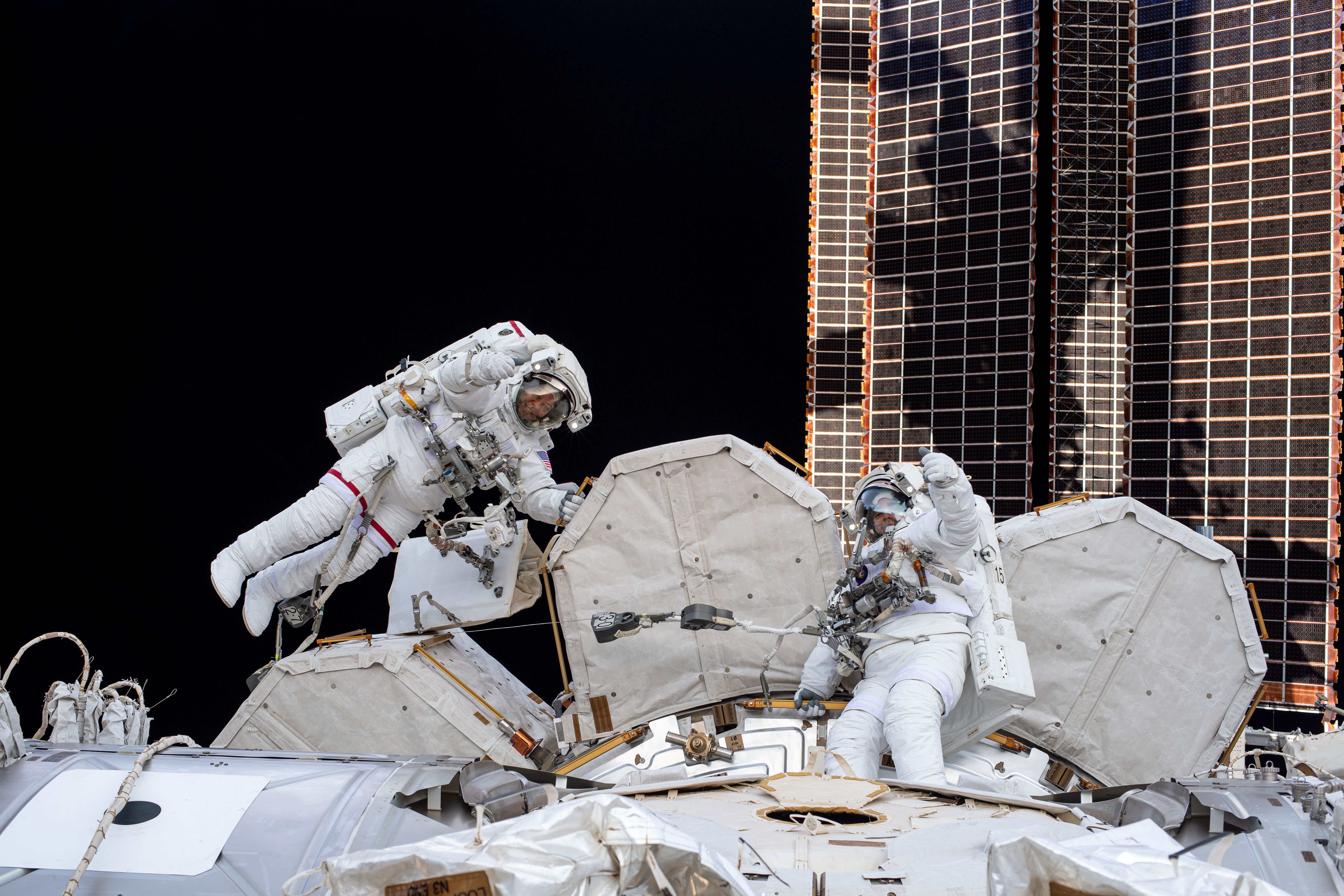
The most obvious entry point is NASA Images, which is useful not only for dramatic photographs but also for mission diagrams, engineering scenes, and historical documentation. NASA's media usage guidelines explain the broad public-use policy that makes these archives unusually friendly for educators, bloggers, and designers.
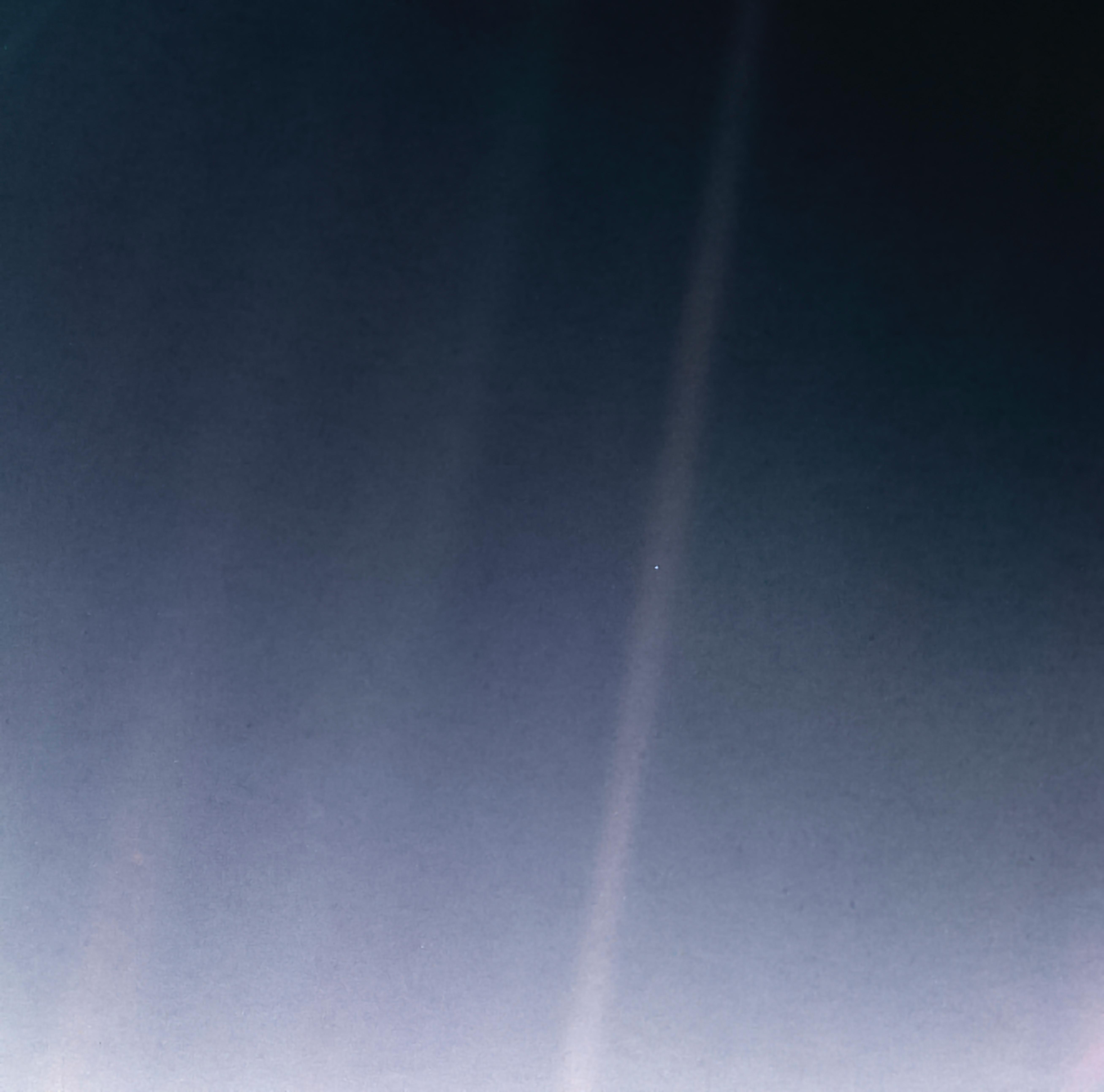
For astronomy, the rabbit hole gets deeper. The Hubble image gallery and James Webb Space Telescope gallery turn raw observation campaigns into public visual culture. The science is serious, but the archive also works as a design reference for color, scale, contrast, and annotation.
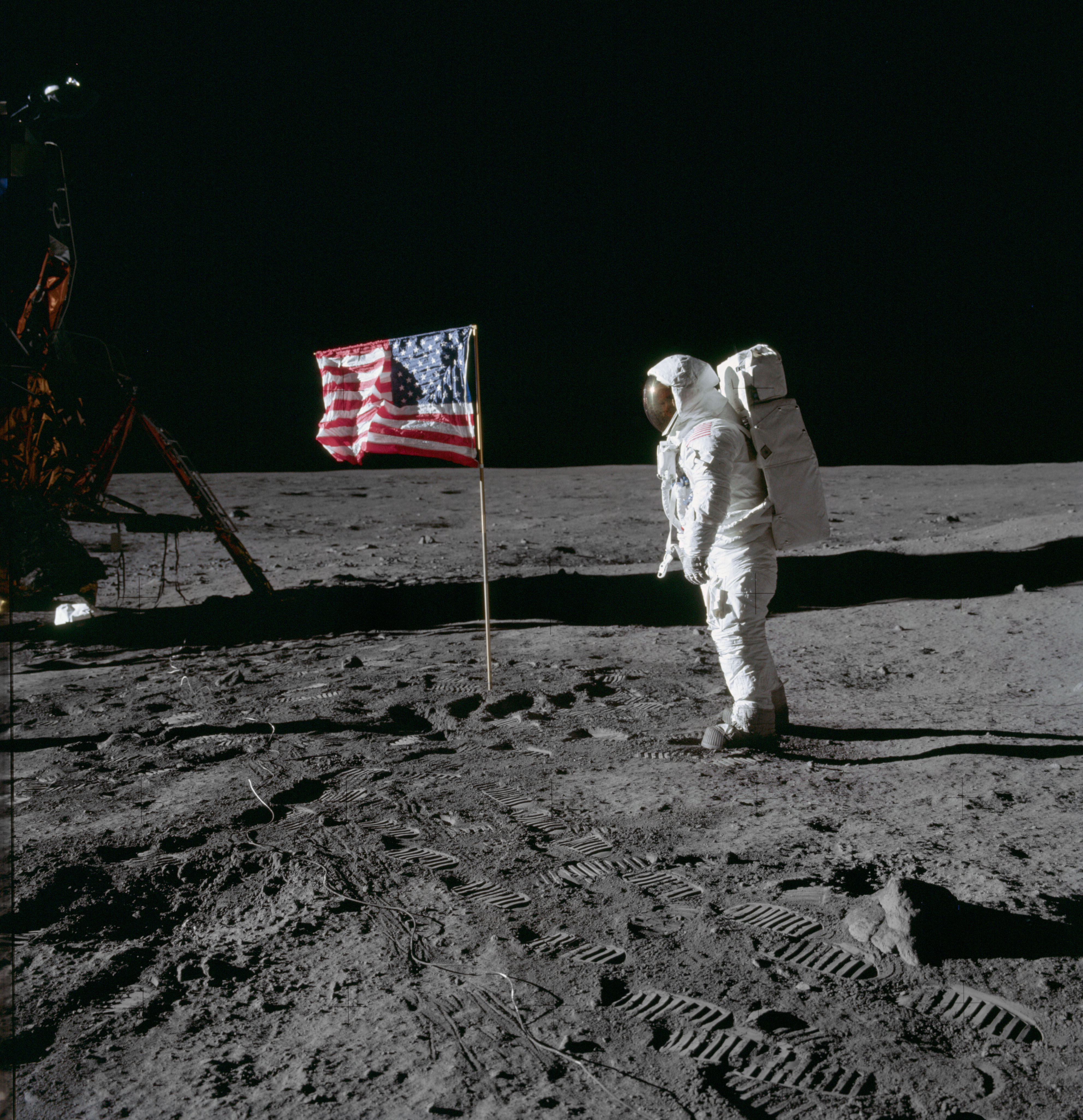
Public-domain and openly licensed material is not limited to NASA. The European Space Agency image archive, Wikimedia Commons astronomy category, and Library of Congress photo collections all reward slow browsing. The important habit is checking the rights note on each item rather than assuming every space image has the same license.
What makes these archives special is the mix of beauty and traceability. A good image can be followed back to a spacecraft, instrument, mission, date, and research context. That is much better than treating space pictures as anonymous wallpaper.